



Overview
A doctor visit, a few diagnostic tests, or treatment for a minor illness might not require hospitalization. But these expenses can still add up over time. And while most health insurance plans focus on hospital bills, what about the medical expenses you incur without getting admitted?
That's where Star Health Gain comes in. The plan combines hospitalization coverage with outpatient benefits, helping you manage both types of medical expenses.
But there's a catch. The plan has several limitations, like a minimal cover amount and a restriction on room rent.
So, is Star Health Gain a practical choice for everyday healthcare needs, or do these limitations make it less attractive?
We'll examine its coverage limits, OPD benefits, premiums, and claims restrictions to help you decide whether it's worth considering.
Eligibility Criteria for Star Health Gain Insurance
Key Features of Star Health Gain Insurance Policy
Inpatient Hospitalization (Section I)
Section I covers eligible hospitalization expenses, including room charges, ICU care, doctor fees, diagnostic tests, and medicines. The SI ranges from ₹1 lakh to ₹5 lakh. Additional hospitalization benefits include:

Pre- and Post-Hospitalization
Day Care Procedures
Modern Treatments
AYUSH Treatments
Ambulance Charges
Cataract Surgery
Note: Room rent and boarding expenses are capped at 1% of the SI per day. At ₹5 lakh SI, this means ₹5,000 per day for room, boarding, and nursing expenses. Choosing a room above this limit can lead to proportionate deductions in associated medical expenses, including surgeon fees, operating theater charges, and consultant fees.
Additionally, a 20% co-payment applies to every claim under Section I for policyholders who enter the policy at age 61 or above, including their renewals.
Outpatient (OPD) Coverage (Section II)
Section II covers eligible outpatient consultations, diagnostic tests, and medicines at Star Health's network facilities in India. The annual OPD benefit limit depends on the selected premium option.
You can carry unused OPD benefits into the next policy year if you renew the policy. Unlike Section I, Section II does not have a 20% co-payment, though claims remain subject to OPD limits, eligible expenses, and network-facility requirements.
Star Health Gain Insurance Policy: Sample Premiums by Age
Star Health Gain offers 4 fixed annual premium options covering both Section I (hospitalization) and Section II (OPD):
- Option 1: ₹15,000
- Option 2: ₹20,000
- Option 3: ₹25,000
- Option 4: ₹30,000
For the same hospitalization SI, choosing a higher premium option increases the available OPD benefit limit. However, the OPD limit also varies based on the insured members' ages and family composition.
The table below compares the OPD limits for different profiles under Option 4 (₹30,000), with ₹5 lakh hospitalization coverage.
All four examples use ₹5 lakh hospitalization coverage and the ₹30,000 premium option. The OPD benefit limit changes with the insured members' ages and family composition. These figures are sourced from Star Health's official prospectus.
Note: These are annual OPD benefit limits, not premiums or guaranteed reimbursement amounts.
Talk to an expert
today and
find
the right
insurance for you.


Star Health: Performance Metrics
Note: This information comes from IRDAI annual reports and Star Health’s public disclosures. To explore more such data, please refer to Ditto Data Lab.
Key Insight: Star Health’s CSR is lower than the industry average of 92.02%, while complaints are nearly twice the industry average. The insurer has also faced regulatory action over cybersecurity compliance and disputes with hospital associations over cashless claims and payments. Although the insurer resolved these hospital disputes through negotiations, they highlight potential friction in claims servicing. If you choose Star Health, work with an agent or advisor who understands the insurer’s claims and post-sales support processes.
Pros and Cons of the Star Health Gain Plan
Pros
- Integrated OPD Benefit: Covers eligible outpatient expenses, with unused benefits carried forward for one policy year.
Cons
- Limited Sum Insured: Maximum cover of ₹5 lakh is inadequate for major medical emergencies.
- Sub-Limits: The 1% daily room rent limit can trigger proportionate deductions on associated hospital expenses. Additionally, treatment-specific limits on procedures like cataract surgery, robotic surgery, and oral chemotherapy can restrict claim payouts.
- Senior Citizen Co-Payment: A mandatory 20% co-payment applies to Section I claims for those entering the policy at age 61 or above.
Why Choose Ditto for Health Insurance?
At Ditto, we’ve assisted over 12,00,000 customers with choosing the right insurance policy. Why customers like Pallavi love us:
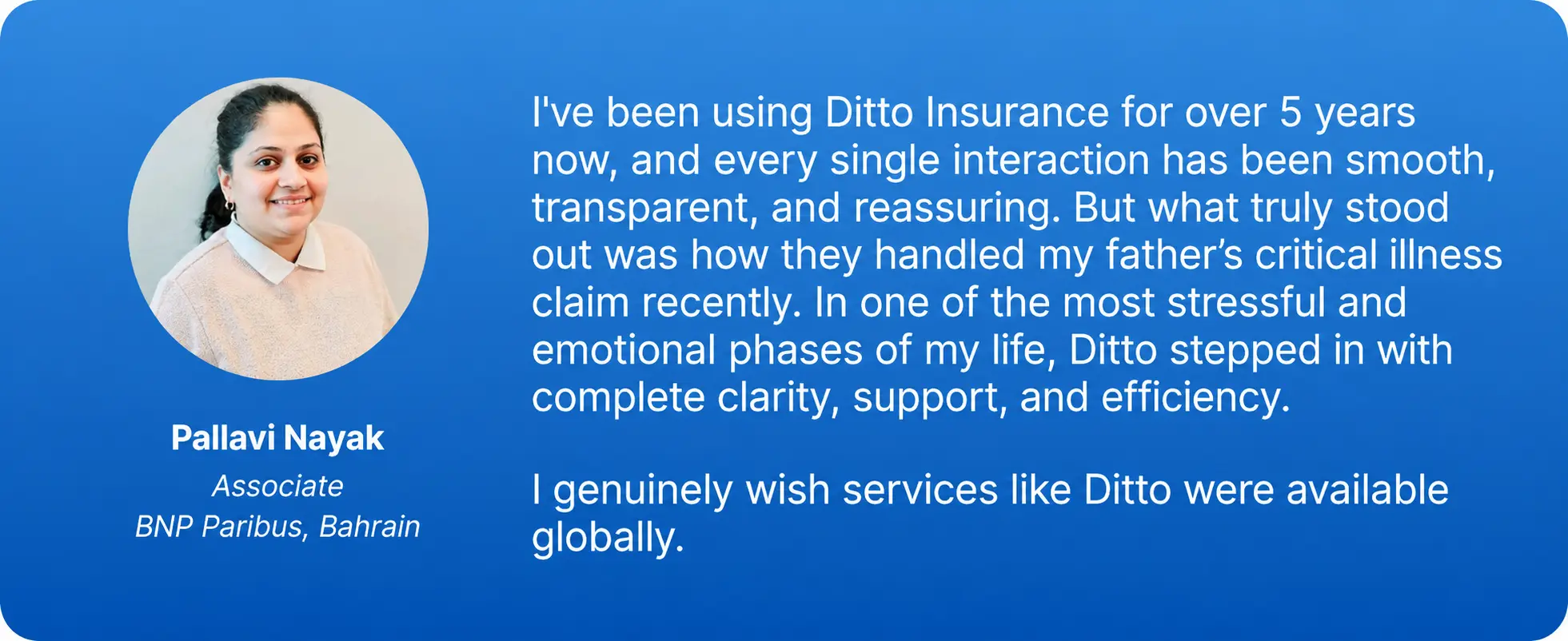
- 100% Free Consultation
- No Spam. No Sales Pressure.
- Rated 4.9/5 on Google Reviews by 30,000+ Happy Customers
- Backed by Zerodha
- Dedicated Claim Support Team
- Compare Plans and Premiums with a Trusted Insurance Advisor
Confused about the right insurance? Speak to Ditto’s certified advisors for free, unbiased guidance. Book your call now or chat with us on WhatsApp. Slots fill up fast!
Conclusion
Star Health Gain combines OPD benefits with hospitalization cover, but its ₹5 lakh maximum SI and 1% room rent limit its suitability for buyers seeking comprehensive hospitalization protection. These restrictions, along with the insurer’s broader claims and servicing concerns, make it important to compare alternatives before buying.
If you prefer Star Health and already hold the Health Gain plan, consider migrating to newer plans such as Star Super Star, which offers higher SI options and no room rent limits. However, it is worth comparing plans across insurers before deciding. Compare Star Health Gain with the best health insurance plans in India for coverage, benefits, restrictions, and claims experience.
Frequently Asked Questions
Last updated on: